
CCR Full Cave Cross-Over Course!


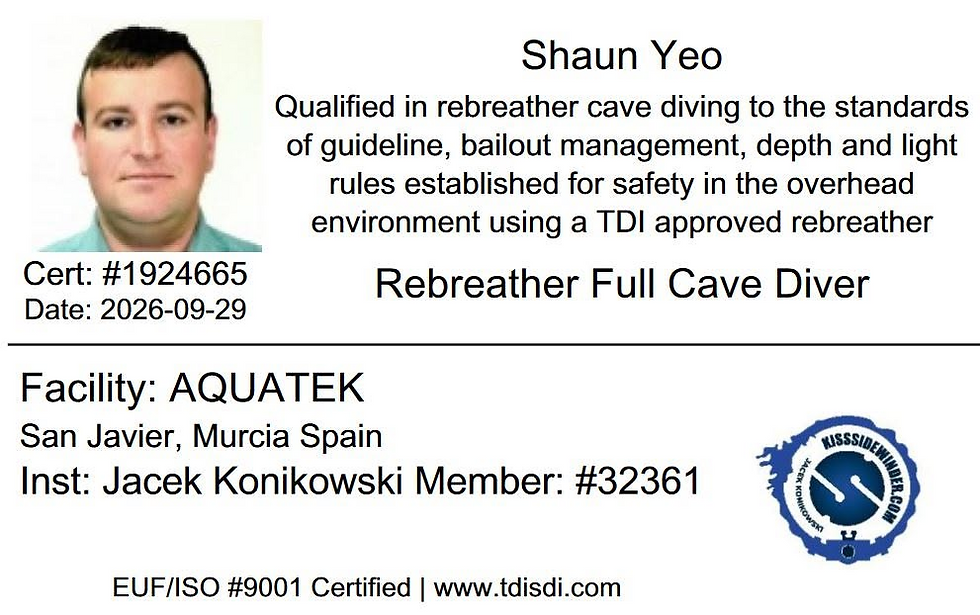
I Passed the Course! It wasn’t easy...
This was an incredibly intense course and stressful at times, but that's exactly what makes you a better diver, especially in the demanding environment of underwater caves.
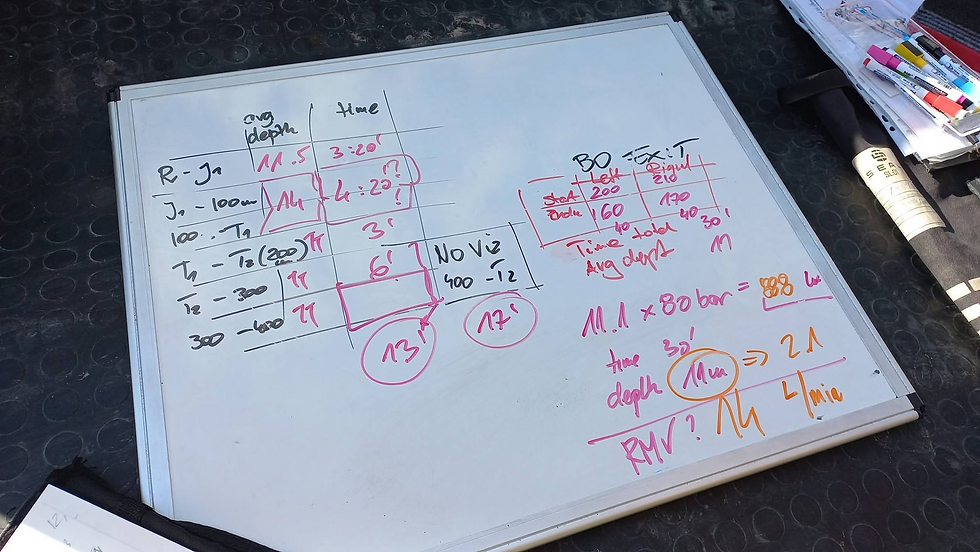
Over the course, I spent almost 10 hours underwater in Cueva del Agua, along with around 12 hours of theory sessions and land drills. To be completely honest, it was the hardest diving course I have ever taken.
Although I certified as a Full Cave Diver five years ago and have dived caves of many different types and conditions around the world, I realised how many skills needed refreshing. Most of my cave diving over the years has been spent following guides while carrying a large camera rig to capture photos and video. This course forced me to go back to the fundamentals and sharpen every aspect of my cave-diving skills.
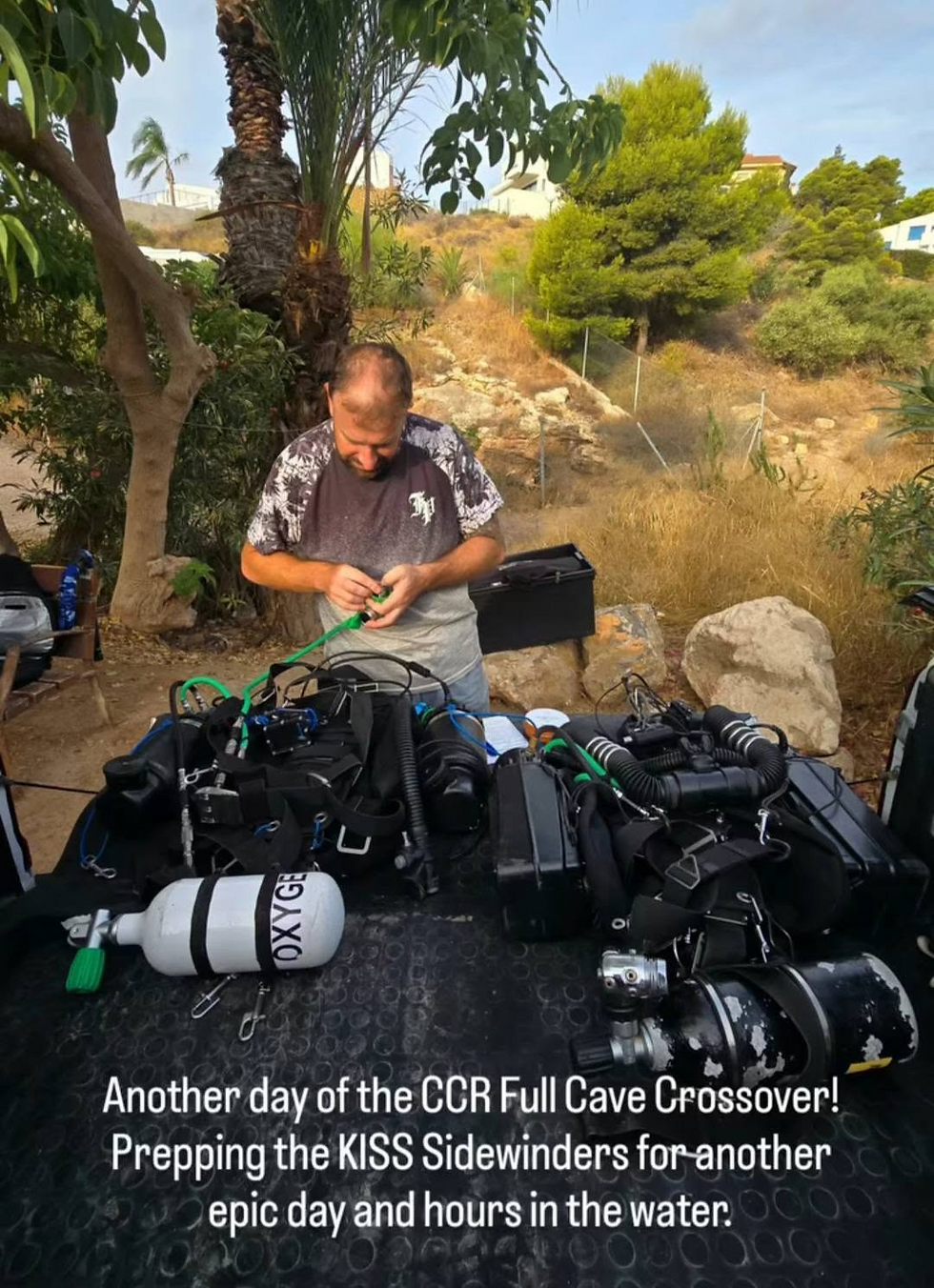
After the very first dive, I genuinely felt like giving up. I remember thinking, "Maybe this isn't for me." But after many hours of practice, repetition, and excellent instruction, everything gradually started coming back. By the end of the course, I felt more confident, capable, and prepared than ever before.
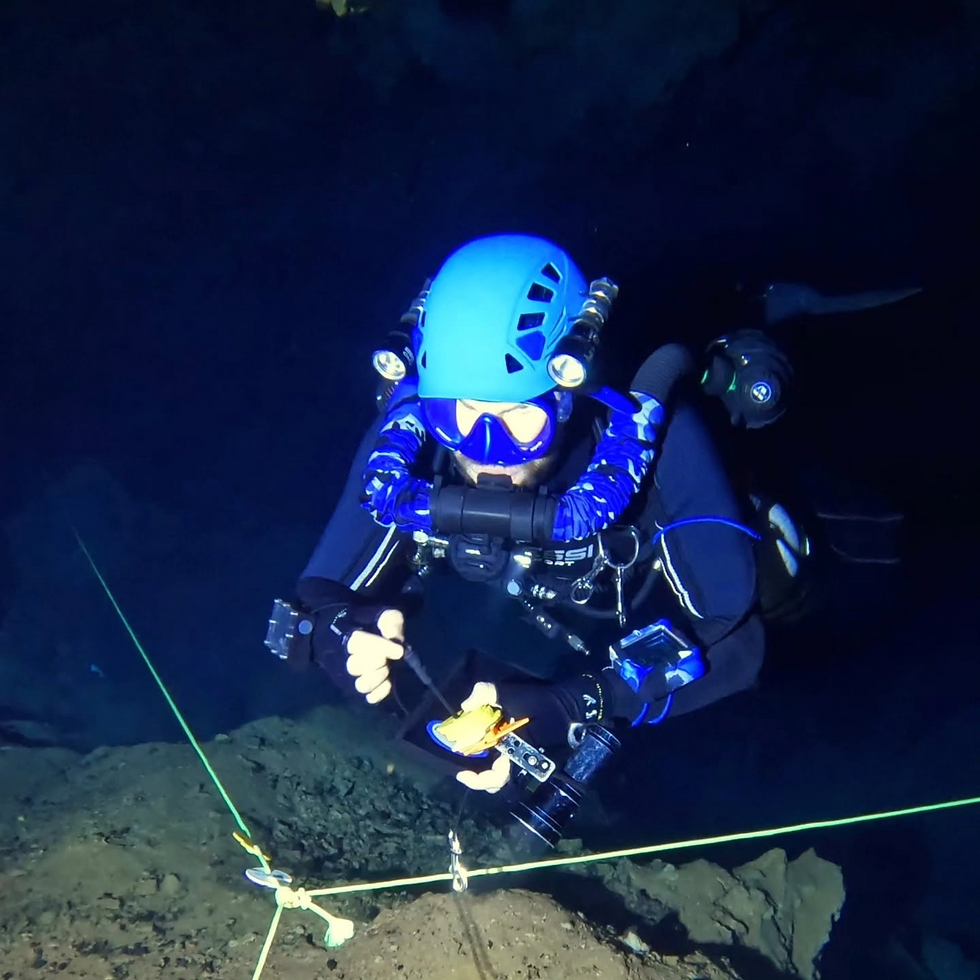
One of the requirements to start this course is having at least 50 hours and 50 dives on the chosen rebreather, and now I completely understand why. A rebreather is not something you should still be learning while trying to master cave-diving procedures. You need to be completely comfortable and familiar with your unit so your focus can remain on the cave environment and the skills required to operate safely within it.
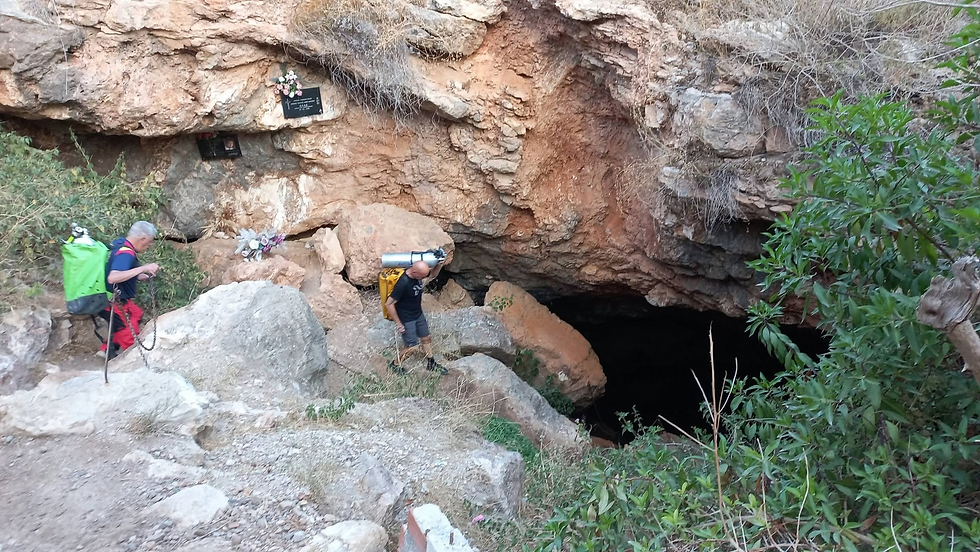
Some cave divers and centres only require CCR experience and do not insist on a dedicated CCR Cave Diving certification. However, having now completed the course myself, I believe it is an essential step before taking a rebreather into a cave environment. I expected to learn mainly about gas management, but the course covered so much more. It was intense, demanding, stressful, and involved long days, but in my opinion it is absolutely worth it.
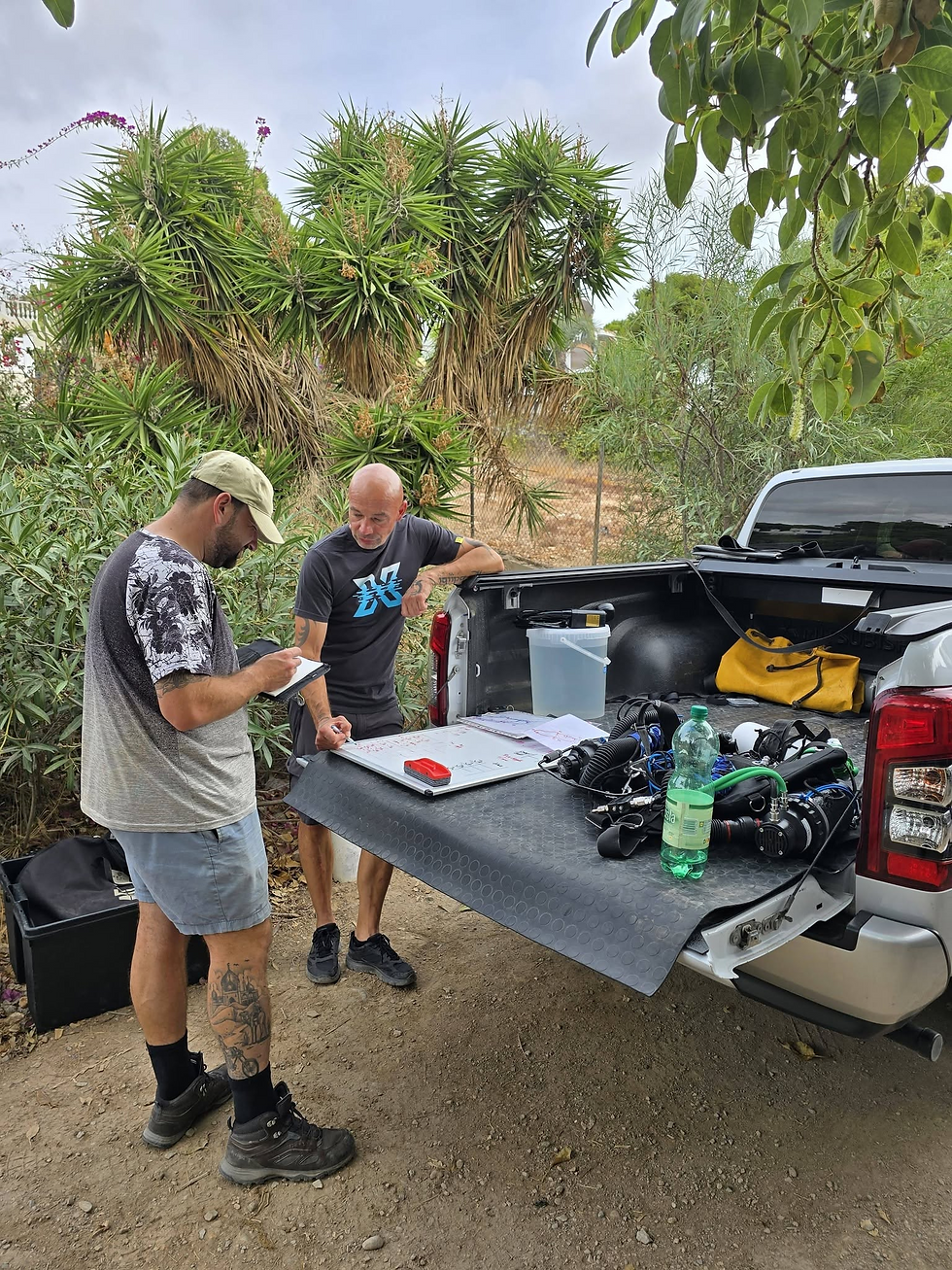
A huge thank you goes to Jacek, who is without doubt one of the best instructors I have had the pleasure of learning from. His knowledge, patience, and attention to detail made all the difference. If you ever get the opportunity to train with him, take it.
One of the things I love most about cave diving with a CCR, especially the KISS Sidewinder, is the freedom it provides. There is no constant pressure from gas consumption as there is with open-circuit diving. Tasks such as laying guideline, placing markers, surveying passages, collecting data, or simply solving problems can be carried out with far less time pressure.
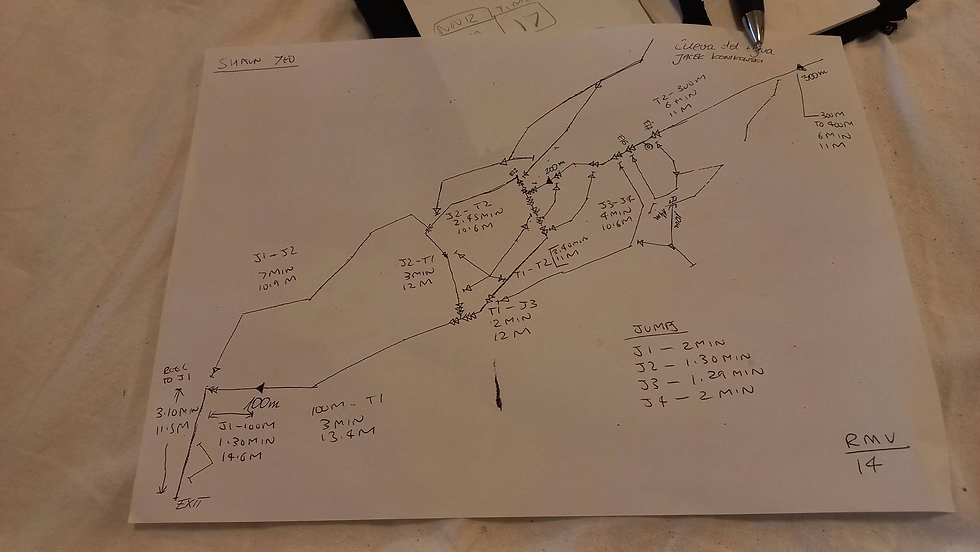
Another major advantage is exploration efficiency. Imagine swimming 100 metres into a cave to a large chamber, with three different passages leading off from it. An open-circuit diver may need separate dives to explore each passage due to gas limitations. With a CCR, provided proper bailout planning has been completed, all three sections can potentially be explored in a single dive while maintaining a safe reserve for exiting the cave in an emergency.
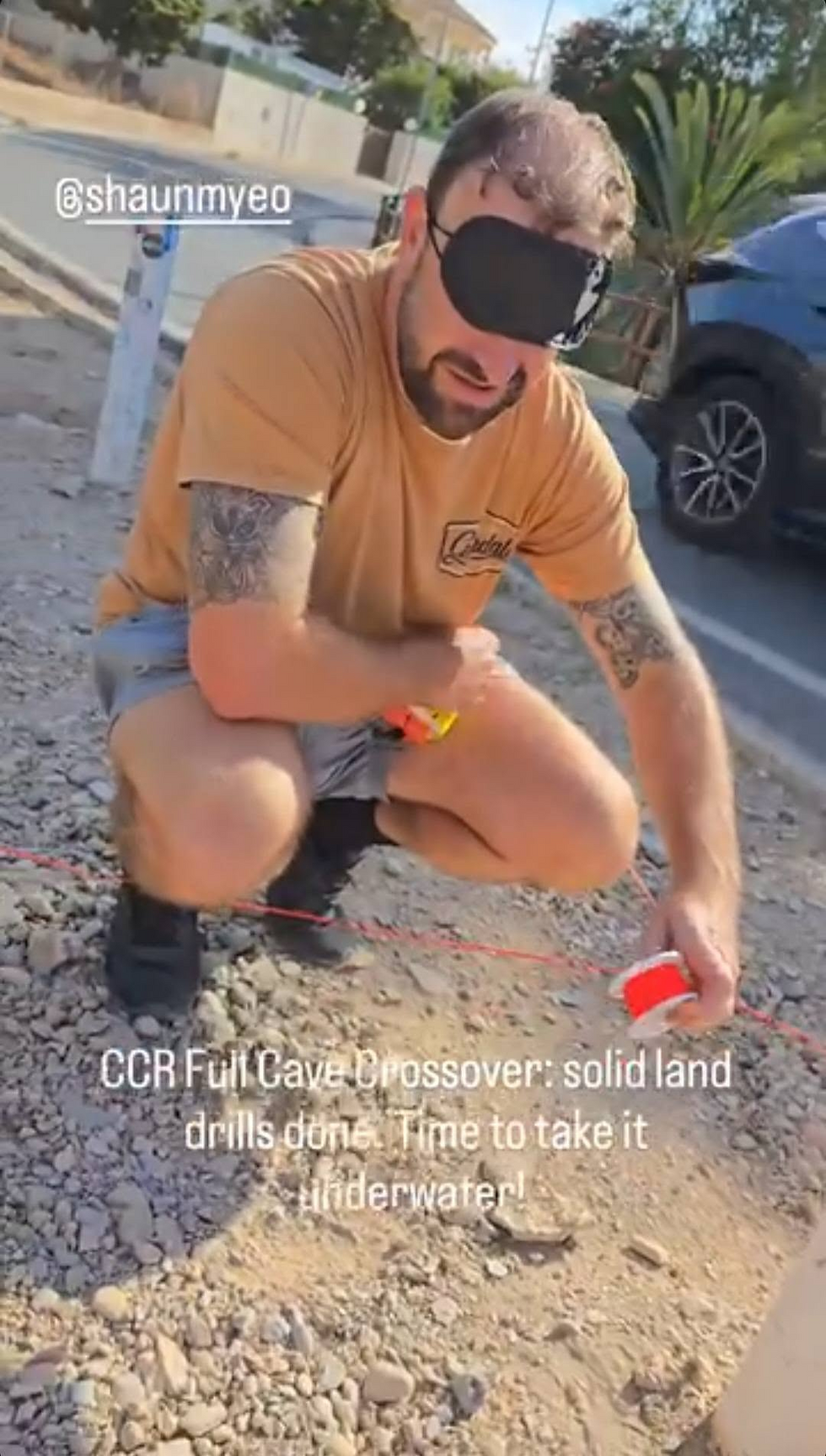
Most importantly, this course reminded me that experience alone is not a substitute for training. No matter how many dives we have logged, there is always something new to learn and always room to improve. Sometimes the most valuable lessons come from being pushed outside your comfort zone.
I’m extremely proud that I stuck with it when things got difficult and saw it through to the end. The hard work, stress, self-doubt, and long hours were all worth it.
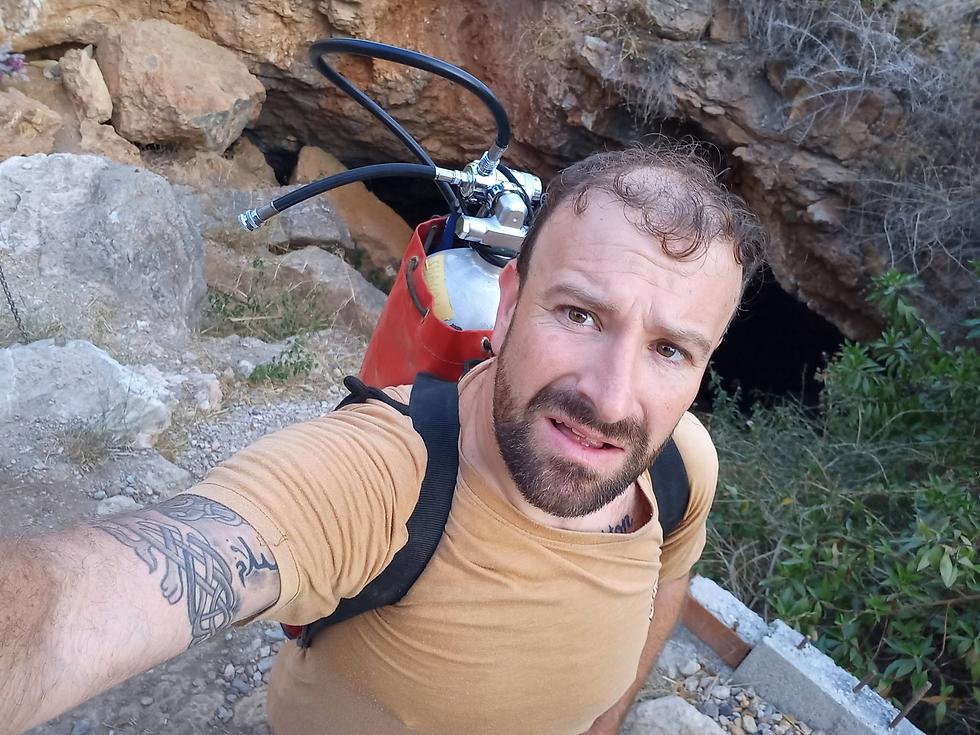
The learning never stops, but this is an important milestone on my CCR cave-diving journey. Onwards to the next adventure!


Comments